Bioacoustics conference 2026 - Keynote speakers
Prof. Inbal Arnon
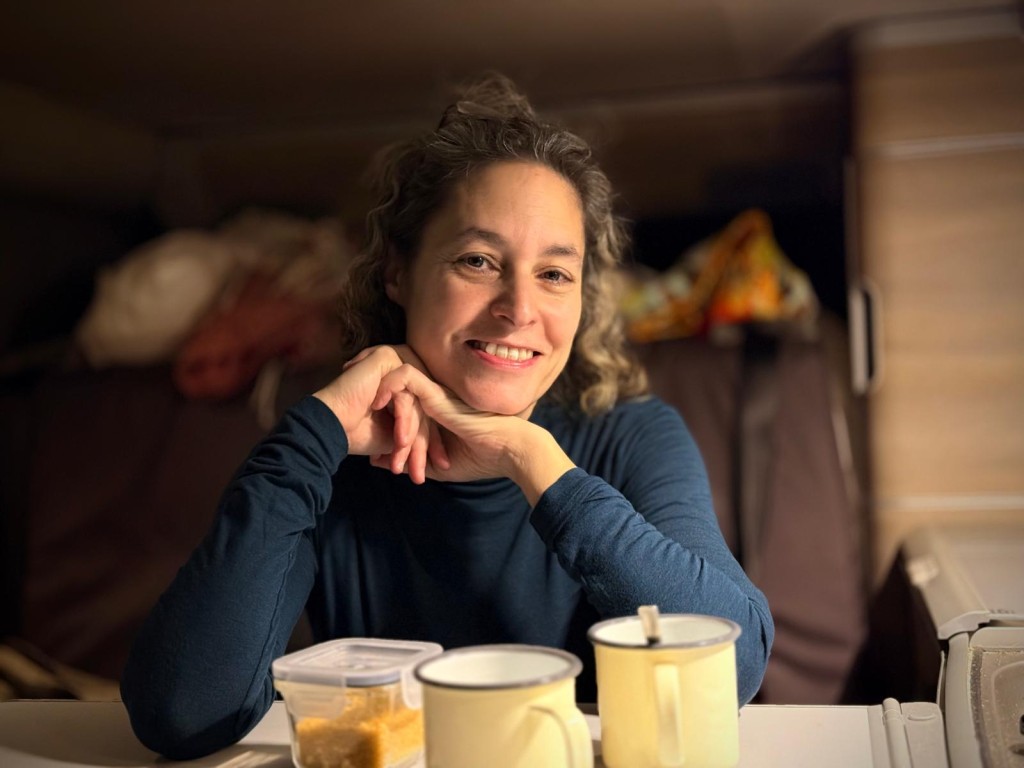
Prof. Arnon is a developmental psychologist, linguist, and cognitive scientist (PhD, Stanford, 2011). She is a Full Professor of Psychology at the Hebrew University, and currently a Leverhulme Trust Visiting Professor at the University of Edinburgh. Her work focuses on how children learn language, why they do so better than adults, and how studying language learning can help us understand language evolution and animal communication. Prof. Arnon has worked extensively on first language learning, developing a novel framework for understanding why children are better language learners than adults, with applied implications for human and machine learning. Her recent work applies insights from child language learning to language evolution and animal communication, generating transformational bridges across the fields.
Keynote talk
Cultural evolution creates language-like structure: from humans to humpback whales and beyond
While the world’s languages differ in many respects, they share certain commonalities: these can provide crucial insight into our shared cognition and how it impacts language structure. In this talk, I focus on two statistical properties of language: All known languages are made up of statistically coherent sequences – words – whose frequency distribution follows a power law known as a Zipfian distribution. Despite the ubiquity of these features across languages their origins are poorly understood. Here, I propose both properties confer a learnability advantage, making them good candidates for arising through cultural transmission. In the first part, I will present a set of results on the learnability sources and consequences of such distributions in human language, looking at infants, children, and adults. I will then present results from an iterated learning study in which non-linguistic sequences evolve to have both properties as they are transmitted across multiple generations of participants. Using insights from infant speech segmentation, we develop analytic pipelines for analyzing the sequences, and observe the emergence of Zipfian distribution over generations. If cultural transmission drives the emergence of such distributions, we may find them in other culturally transmitted communication systems in nature. Together with Simon Kirby and Ellen Garland, we test this prediction by looking at the culturally evolving song of humpback whales. We apply our infant-inspired pipeline to 8 years of whale recordings, and show, for the first time in another species, that these characteristic statistical properties are indeed present in whale song. Finally, I will present new data finding similar statistical structure in the song of Bengalese Finches, another species with culturally transmitted communication. This demonstrates a deep commonality between three very different species united by having culturally transmitted communication. Throughout the talk I will highlight open questions at the intersection of developmental psychology, language evolution, and comparative cognition, and point to ways in which cross-species and cross-method collaborations can promote our understanding of the origin of complex communication.
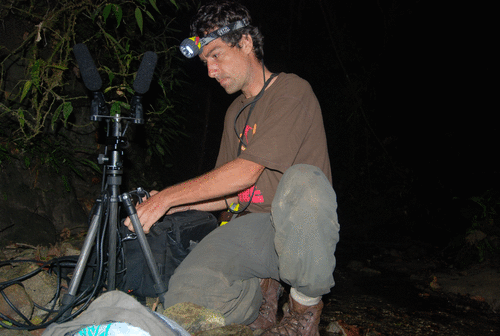
Arjan Boonman born in the Netherlands, birder and batter, PhD in Bristol UK, Tübingen Germany, CNRS France, Indonesian Institute of Research, TA University, Max Planck Konstanz. Main interests: bioacoustics birds, frogs, bats (echolocation). Contributions: why bats evolved echolocation, multiple echo resolution, echo entropy in landscapes, frog ultrasound evolution functional distance.
Keynote talk
The acoustic animal world, signaling, analysis and problems in implementing technology-based survey techniques
This talk will examine the optimal structure of acoustic signals in relation to their communicative functions. It will then explore methodological approaches for detecting and recognizing these signals, both through human auditory perception and automated analytical systems. Finally, the talk will address the practical implementation of automated acoustic surveys, highlighting the gap between recommended methodological standards and the constraints imposed by limited funding and time in real-world applications. The discussion will conclude by considering methodological developments needed to better align academic research practices with the practical demands faced by landscape planners and conservation practitioners.
Evening excursion
Bat recordings
During this evening field walk, participants will be introduced to the acoustic signals used by bats, along with a demonstration of bat detector use in the field. We expect to encounter species such as Pipistrellus kuhlii, and possibly Eptesicus serotinus or Taphozous nudiventris. While sightings cannot be guaranteed, the walk will provide an opportunity to discuss topics raised during the day’s lectures, as well as to offer further insight into the sound analysis workshop scheduled for the following day
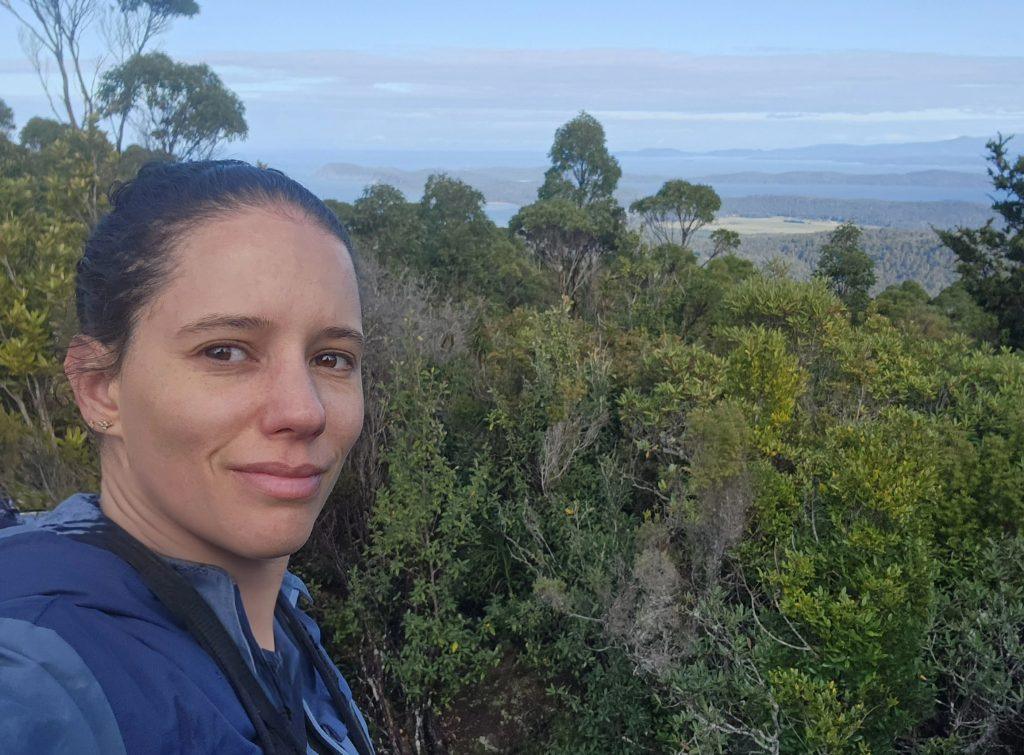
Yael Lehnardt is a post-doctoral researcher in the Conservation Behavioral Lab at Ben Gurion University of the Negev, specializing in bioacoustics and the ecological impacts of anthropogenic noise. Many years of birding sparked a growing interest in how wildlife perceives and responds to its sensory environment. Her research focuses on how wind turbine and road traffic noise alter soundscapes and affect bird behavior, distribution, and vocal activity across spatial scales. Combining passive acoustic monitoring, various measurements of bird behavior, and advanced statistical analyses, she develops wildlife-oriented tools to quantify noise pollution and assess its consequences for monitoring and nature conservation. Yael’s work positions bioacoustics as a central framework for understanding and mitigating noise pollution in Israeli and global ecosystems.
Keynote talk:
How Much Noise Is Too Much? Measuring and Mapping the Effects of Noise Pollution on Wildlife Behavior
Anthropogenic noise is increasingly recognized as a pervasive sensory pollutant that alters habitat quality and animal behavior, yet its ecological footprint often remains vague. In this talk, I combine large-scale literature review results, soundscape mapping of noise impacts across landscapes, and empirical results from field studies in Israel to quantify the extent to which noise impacts affect wildlife presence and behavior. I conclude by highlighting emerging thresholds of impact and discussing key conservation takeaways for managing noise in highly fragmented systems like Israel’s.
Special Guest -
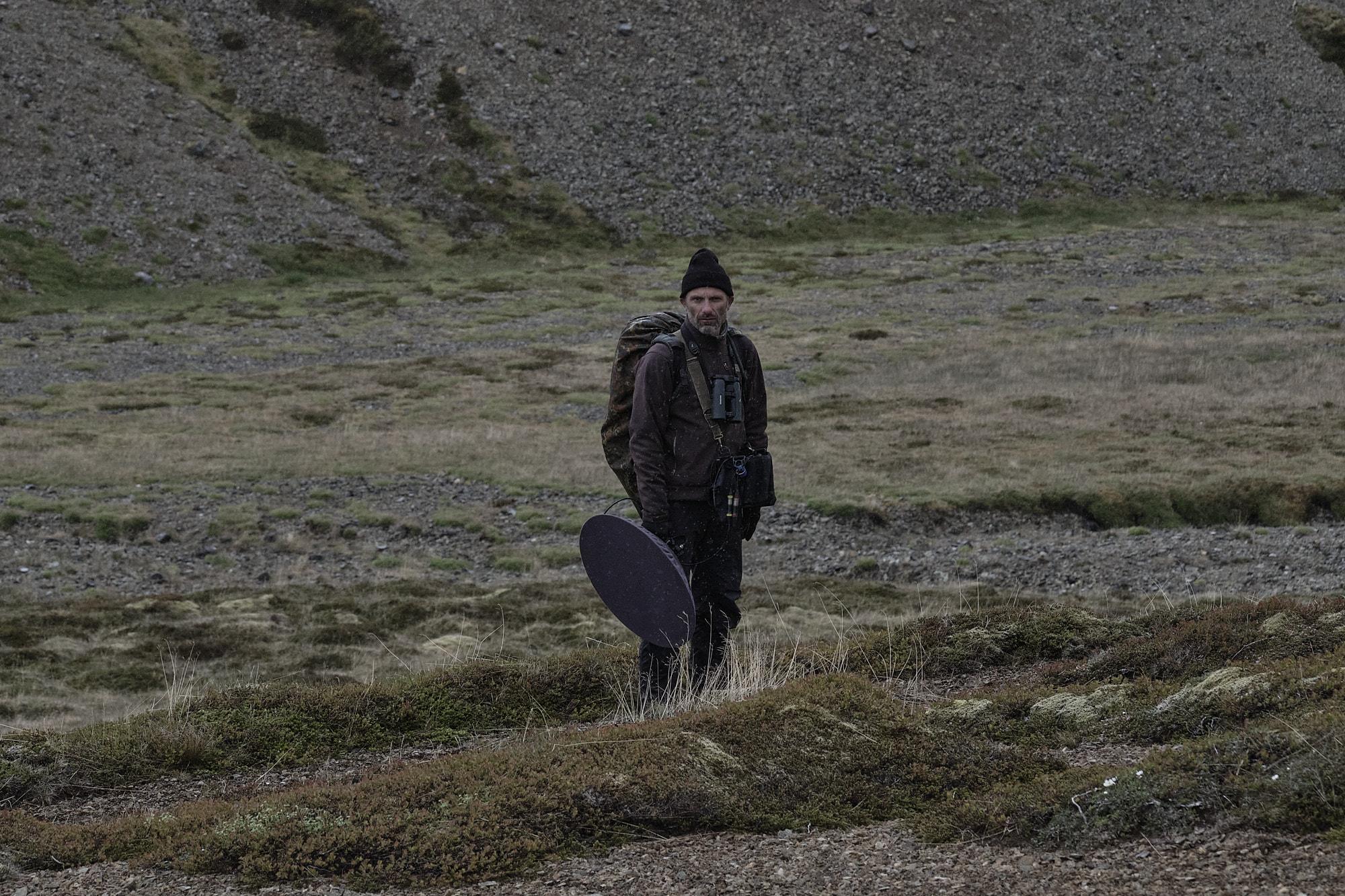
Patrick Franke began making sound recordings in the late 1990s. During his studies in Sound Art, his interests increasingly shifted toward wildlife sound and ecology. After completing his master’s degree in 2008, Franke switched to field biology. Since then, the aim of his work has been to make reference sound recordings of the highest possible quality and to make them available for research and environmental education – contributing wildlife sound recordings as a tool for conservation. Patrick Franke is a co-founder of the migratory bird ID guide Birds in Flight, the Finch Research Network, and the Bioacoustics Working Group of the German Ornithologists’ Society. Since 2024, he is elected Vize-chairman of the Wildlife Sound Recording Society. Since 2022 he has been working freelance on projects for the Cornell Lab of Ornithology. Patrick regularly runs bioacoustics and sound recording workshops.
